
Reducing Patient Wait Times: Lean Six Sigma and Healthcare Quality Improvement (USMC SAPR)
SEXUAL ASSAULT RESPONSE PROGRAM [SAPR]
MARINE CORPS RECRUITING DISTRICT [MCRD] SAN DIEGO, CALIFORNIA
NAVY BRANCH MEDICAL, 12TH MARINE CORPS DISTRICT
ARIZONA STATE UNIVERSITY – COLLEGE OF HEALTH SOLUTIONS – TEMPE, ARIZONA
Project Focus
During my preceptorship at Marine Corps Recruit Depot (MCRD), San Diego, I led a Lean Six Sigma and healthcare quality improvement project within the United States Marine Corps Sexual Assault Prevention and Response (SAPR) Program, focused on reducing wait times for behavioral health and mental health services for male Marines who experienced sexual assault or rape.
This project addressed a critical access problem: Marines were often waiting weeks to months after referral to receive appropriate mental health care, at a time when timely, trauma-informed intervention is most essential.
Why This Project Mattered
Sexual assault patients are at elevated risk for acute distress, impaired decision-making, and disengagement from care during delays in service access. Long waits can also lead to dissatisfaction, increased emergency room utilization, fragmented care coordination, and provider burnout.
Within the MCRD setting, the SAPR care pathway required coordinated movement across medical, mental health, and behavioral health services. The system was complicated by workflow delays and administrative bottlenecks, including referral approval requirements and limited mental health capacity.
Program Context and Setting
- Site: United States Marine Corps Recruiting Depot, San Diego, California
- Program: SAPR, an integrated care collaboration supporting Marines after sexual assault or rape.
- Care ecosystem: Medical, mental health, and behavioral health services operated across multiple systems, including separate electronic health record platforms, which reduced continuity and increased the potential for errors or delays.
- Volume: SAPR typically managed approximately 45 to 50 cases per year.
- Integrated care maturity: Using an integrated practice assessment aligned with SAMHSA-style collaboration levels, the program scored Level 5 out of 6, indicating strong collaboration with room to reach optimal integration.
The Problem
Before intervention:
- Patients were waiting several weeks after referral to be seen by mental health, with a longest reported delay of 15 weeks post-referral in some cases.
- In 2018, the program reported that 52.3% of individuals dropped out or did not receive full services, and patients commonly attributed this disengagement to delays in accessing SAPR services.
- A key contributor to dropout was the burden of repeatedly retelling traumatic details across multiple departments and assessments, increasing distress and disengagement risk.
Project Goals
This preceptorship quality improvement project was designed to improve access, efficiency, and continuity of care while supporting patient-centered, trauma-informed delivery.
Primary aims included:
- Reduce wait times from referral to receiving behavioral health and mental health services.
- Increase referral completion rates into SAPR-affiliated behavioral health services.
- Evaluate whether improvements could also reduce emergency department utilization related to sexual assault impacts, when measurable.
This aligns with the Quadruple Aim framework: improved patient experience, better population health, reduced costs, and improved provider satisfaction.
MEET THE ACADEMIC AND PROJECT TEAM
PRECEPTORS

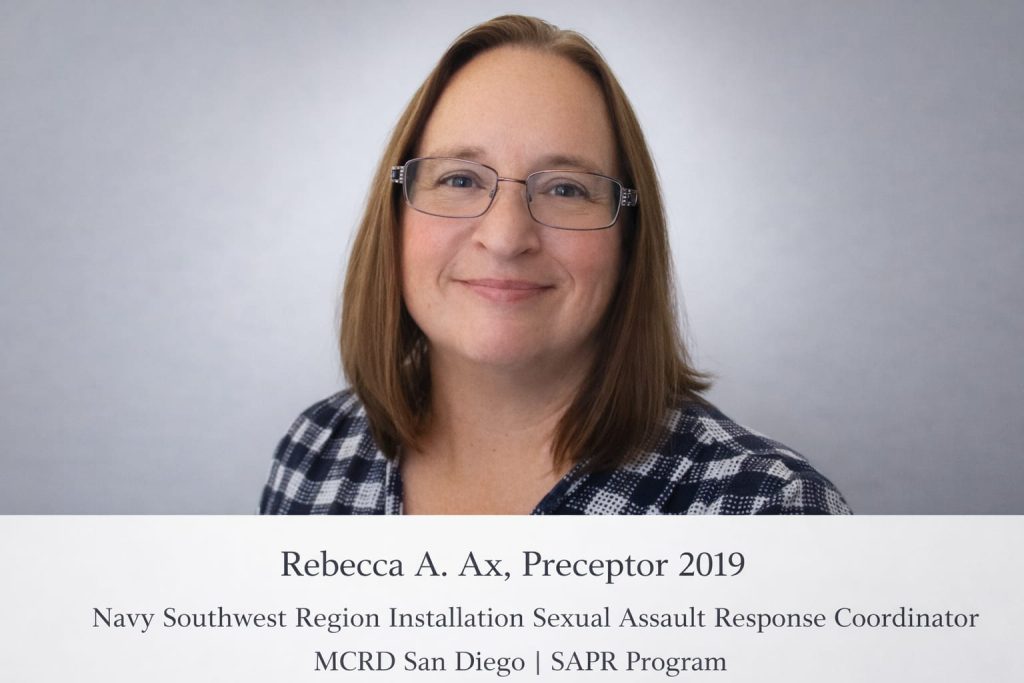
Preceptee

KEY COLLABORATORS AND LEADERSHIP
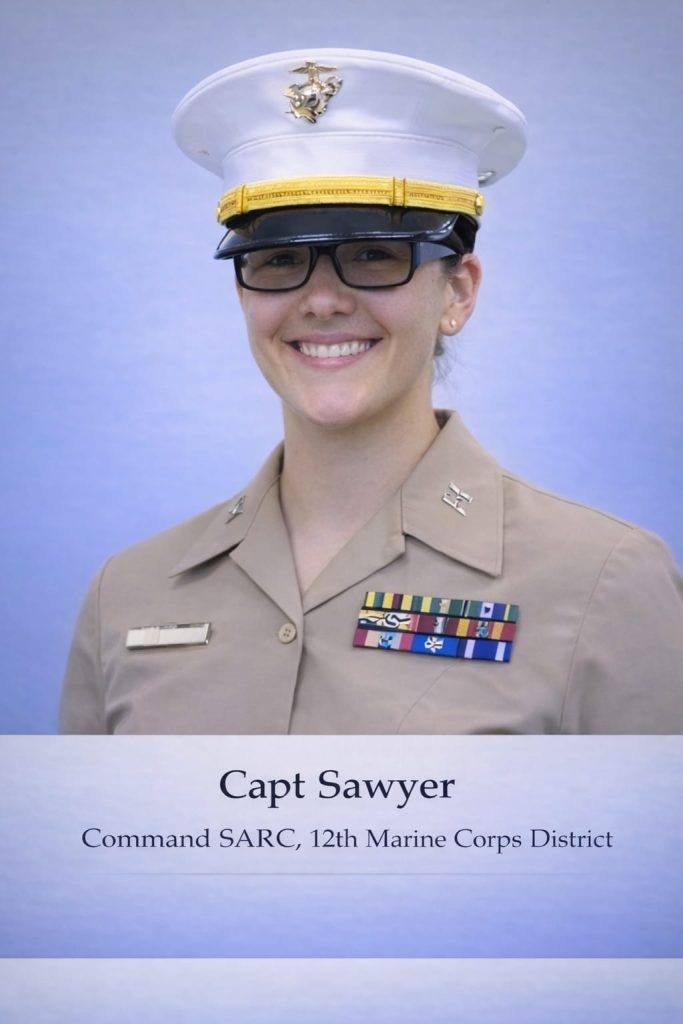
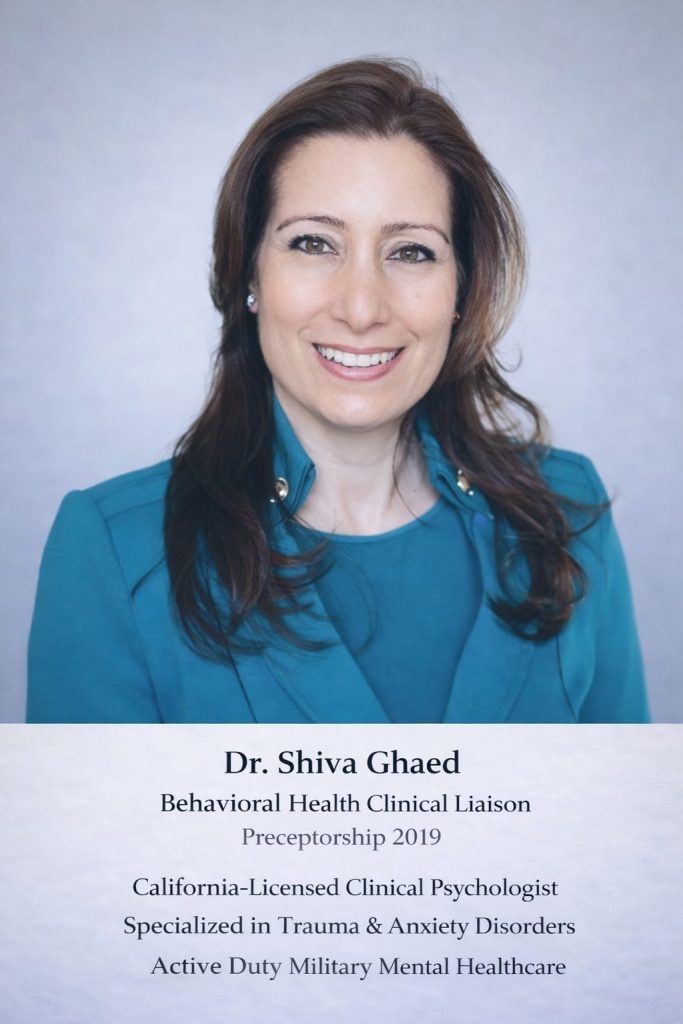
THE ACADEMIC TEAM
PROJECT CHAIR AND LEAD
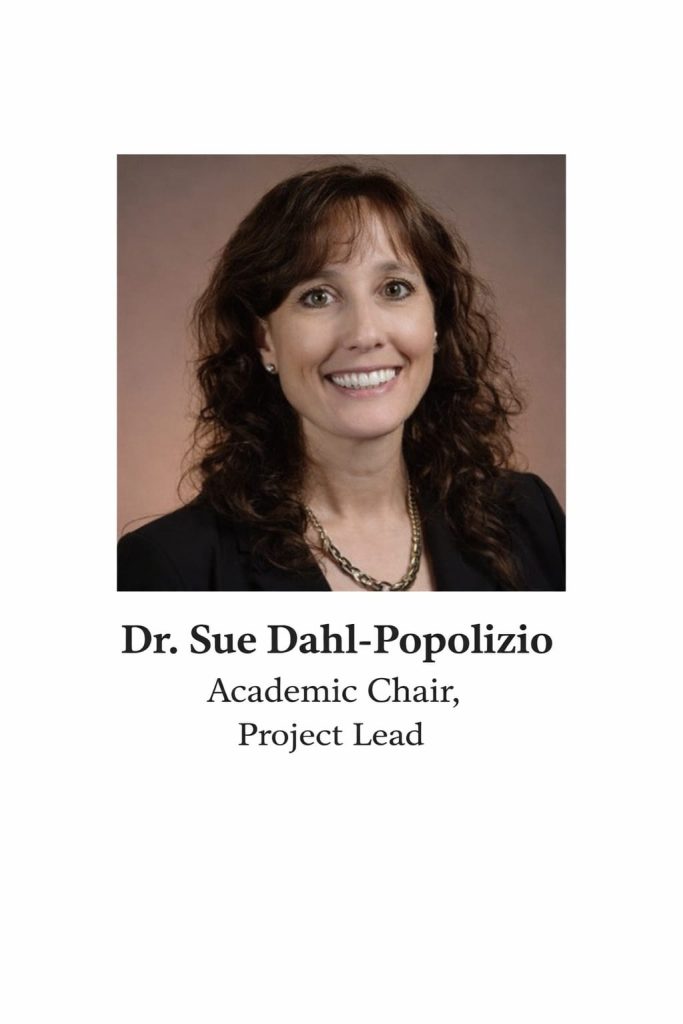
Dr. Sue Dahl-Popolizio served as Academic Chair and Project Lead for the Lean Six Sigma healthcare quality improvement initiative conducted within the United States Marine Corps Sexual Assault Prevention and Response Program at Marine Corps Recruit Depot San Diego.
As Academic Chair, Dr. Dahl-Popolizio provided scholarly oversight, methodological guidance, and quality assurance throughout the preceptorship process. She ensured alignment with doctoral standards in healthcare systems improvement, data analysis, ethical integrity, and translational application.
Her leadership supported the integration of:
- Retrospective study methodologies
- Evidence-based quality improvement frameworks
- Lean Six Sigma methodology
- Trauma-informed systems redesign
- Integrated behavioral health collaboration
Under her academic guidance, the project maintained rigorous evaluation standards while translating clinical and operational data into measurable system-level outcomes. Her mentorship strengthened the project’s analytic structure, statistical validation, and practical implementation planning.
Dr. Dahl-Popolizio’s role was central to ensuring that improvements in access to care were not only operationally effective but academically sound, ethically grounded, and sustainable within complex military healthcare systems.
COMMITTEE MEMBERS AND CONSULTANTS



Methods and Quality Improvement Tools
This project used a Lean Six Sigma rapid process improvement approach, supported by:
- Rapid improvement methodology to identify bottlenecks, waste, redundancy, and delays
- Kaizen-style burst improvement thinking for immediate workflow redesign
- PDSA cycles (Plan, Do, Study, Act) to pilot, refine, and stabilize changes across multiple iterations
What We Analyzed
The project team analyzed the referral process end-to-end, focusing on where delays occurred between:
- Medical services intake and referral
- Mental health intake and acceptance
- SAPR behavioral health engagement
The Intervention
Rapid Improvement Interoffice Tool (RIIT)
A central deliverable of this preceptorship was the creation and implementation of a Rapid Improvement Interoffice Tool (RIIT).
What it did:
- Consolidated key elements from three separate intake assessments into one HIPAA-compliant, portable tool
- Reduced redundancy and repetitive questioning
- Improved provider efficiency and coordination
- Reduced the burden on patients to repeatedly restate traumatic experiences across settings
- Supported stronger individualized treatment planning through streamlined information-sharing and risk assessment
The RIIT was built by extracting and consolidating content from existing electronic assessments while removing duplicate or unnecessary items, improving workflow without compromising clinical needs.
Measures and Evaluation
Data collection window and comparison design
- Pre-intervention baseline: August to October 2018 (retrospective)
- Post-intervention period: August to October 2019 (after RIIT implementation in August 2019)
Metrics tracked
- Average wait time (weeks) to access mental health services
- Referral completion rates into SAPR-related behavioral health services
- Program dropout counts
- Emergency department utilization related to assault impacts (attempted, but limited by coding constraints)
Data were stored in secure, HIPAA-compliant military EHR systems and managed by approved personnel with proper access controls.
Results and Outcomes
Wait times decreased by half
- Pre-intervention (2018): Average wait time 8.2 weeks
- Post-intervention (2019): Average wait time 4.1 weeks
- Change: Improvement of 4.1 weeks
Statistical testing supported a significant reduction in wait times:
- Independent samples t-test: t(13) = 2.35, p = .035
Referral completion improved from 50% to 100%
- Pre-intervention (2018): 10 referred, 5 completed (50%)
- Post-intervention (2019): 10 referred, 10 completed (100%)
Statistical testing supported a significant increase in referral completion:
- Independent samples t-test: t(04) = 5, p = .007
Emergency department outcomes could not be tested
The project team discovered that the facility did not consistently code emergency visits in a way that allowed isolation of ED utilization specifically attributable to sexual assault impacts. As a result, ED recidivism changes could not be reliably measured for hypothesis testing.
Impact for Male Marine Victims of Sexual Assault
While SAPR serves all eligible survivors, this project was particularly meaningful for male survivors because:
- Male victims may face increased barriers to reporting and care-seeking, including stigma, fear of consequences, and reluctance to disclose.
- Delays in care can amplify disengagement risk, particularly when patients must repeatedly recount traumatic details across multiple points of contact.
- Streamlining pathways and reducing repetition supports trauma-informed practice by lowering exposure to re-traumatizing processes and improving continuity.
Discussion
This project demonstrated that targeted, practical workflow changes can significantly improve access to care in complex systems, even when broad institutional structures cannot be rapidly changed. The RIIT functioned as a rapid, feasible solution that improved coordination and reduced avoidable delays, supporting both patient-centered care and system efficiency.
Limitations
- Small sample size in the evaluation window
- Organizational constraints and logistical barriers within referral and approval systems
- Inability to measure ED utilization specific to sexual assault due to documentation and coding limitations
Conclusion
This preceptorship quality improvement project produced measurable improvements in timeliness of care and referral completion, reinforcing the value of Lean Six Sigma tools in behavioral health access initiatives. By reducing delays and consolidating redundant intake processes, the SAPR care pathway became more efficient, more trauma-informed, and more supportive of patient retention and continuity of care.