Our research reflects a commitment to translating evidence into practice. From peer-reviewed journal articles to collaborative publications and encyclopedia contributions, Dr. Amber Deneén Chapman-Gray continues to explore how psychology, law, and healthcare intersect to create sustainable systems of care.
On July 4, 2026, America turns 250 years old. That is worth honoring. This country is beautiful. It is vast, diverse, creative, imperfect, and still full of possibility. It has given the world powerful language about liberty, equality, rights, and self-government.
Yet America has never fully lived up to its own promise.
The Declaration of Independence said all people are created equal. That idea was revolutionary. It was also incomplete. At the time, many people were enslaved. Women could not vote. Indigenous people were displaced. Disabled people were excluded. Equality was declared before it was practiced.
Still, America has moved forward. Slavery ended. Women gained voting rights. Civil rights laws challenged segregation. Disability rights became civil rights. Marriage equality expanded freedom. They prove that progress is possible.
But progress is not the same as completion.
Racism still shapes outcomes in healthcare, education, employment, housing, and justice. Sexism still limits safety, pay, opportunity, and bodily autonomy. Ableism still creates barriers for people whose greatest limitation is often society’s refusal to accommodate them. These injustices overlap. Race, gender, disability, class, and age can combine in ways that deepen inequality (Bixby, 2024; Dorsey Holliman et al., 2023; Sheldon et al., 2026; UN Women, 2025).
It should never be beneath us, to be honest and patriotic.
History will remember that millions of Americans willingly returned to office a man convicted on 34 felony counts, found liable for sexual abuse and defamation in civil court, and whose long-standing association with Jeffrey Epstein remains an enduring part of the historical record. Whether one views those facts through a partisan lens or not, they raise difficult questions about the moral expectations we place on our highest elected office.
As a student of Locke, Aristotle, and Kant, I believe liberty requires moral responsibility. Freedom is not simply the right to do whatever one wants. Freedom requires reason, virtue, and respect for human dignity. A nation cannot call itself just if it excuses cruelty, rewards corruption, or treats some people as less worthy of protection.
Still, I do not believe America is lost.
I believe America is unfinished.
We have taken one thousand steps forward and seven hundred steps back. That still leaves us ahead of where we began. That still gives us ground to stand on. That still gives us a path forward.
The way back to justice is not mysterious. We need truth over propaganda. Evidence over rage. Courage over cowardice. Equal rights under law. Fair access to healthcare, education, housing, employment, and public life. We need leaders who understand that power is not a prize. It is a duty.
On America’s 250th birthday, we can celebrate without pretending. We can love this country without lying about it. Real patriotism is not blind loyalty. It is stewardship. It is the willingness to protect what is good and repair what is broken.
I still believe in America.
I believe we can become more honest, more humane, and more just. I believe we can move closer to the promise we inherited but have not yet fulfilled. One day, if we are brave enough to keep working, America may truly become the land of the free, the home of the brave, and a place of truth and justice for all.
References
Bixby, L. E. (2024). Intersectional inequalities: How socioeconomic well-being varies at the intersection of disability, gender, race-ethnicity, and age. Research in Social Stratification and Mobility, 91, 100938. https://doi.org/10.1016/j.rssm.2024.100938
Dorsey Holliman, B., Stransky, M., Dieujuste, N., & Morris, M. (2023). Disability doesn’t discriminate: Health inequities at the intersection of race and disability. Frontiers in Rehabilitation Sciences, 4, 1075775. https://doi.org/10.3389/fresc.2023.1075775
Martin, M. E., Haywood, C., Caldwell, K., Barry, C., Dawson, S., Hoppe, K., & Adekunle, T. B. (2026). Obstetric racism and ableism: A narrative review of barriers to obstetric care and maternal health outcomes for Black disabled women. Health Equity, 10(1). https://doi.org/10.1177/24731242261421862
Sheldon, T., Dhand, R., & Mykitiuk, R. (2026). Racialized ableism and the need for intersectional discourse and action. In M. al Attar & C. Smith (Eds.), Emancipating international law: Confronting the violence of racialized boundaries. Oxford University Press. https://doi.org/10.1093/9780198935605.003.0016
Walter, L. (2026). From injustice to solidarity: Linking gender-based discrimination experiences to cross-issue political engagement. Journal of Women, Politics & Policy, 1–21. https://doi.org/10.1080/1554477X.2026.2657153
Check out my latest article, published by the MSI Business Leadership Council and linked through The Praxis Journal: “The Misbranding of the Doctor of Behavioral Health: Reframing DBH Clinical and Management Practice for Integrated Healthcare, Quality Improvement, and Public Health Leadership.”
This piece offers a candid look at the Doctor of Behavioral Health degree, including both the Clinical and Management pathways, and explores why the DBH remains underused, misunderstood, and underrecognized across healthcare, public health, and human services systems.
Rather than viewing the DBH as a therapy-adjacent degree, this article reframes it as a systems-facing, solutions-focused doctorate with strong application in integrated care, quality improvement, population health, behavioral health leadership, and service delivery reform.
For employers, educators, healthcare leaders, and DBHs themselves, this article invites a needed conversation: How do we better name, classify, hire, and deploy Doctors of Behavioral Health in the spaces where they are already prepared to lead?
In this article, Dr. Amber D. Chapman-Gray examines how Doctors of Behavioral Health in Management can strengthen public health campaigns focused on domestic violence and assault prevention. The article frames domestic violence as both a public health and public safety issue that affects healthcare systems, behavioral health, families, workplaces, emergency response, and community wellbeing.
The article explains that DBHs are uniquely positioned to support prevention campaigns because they understand integrated healthcare, trauma-informed care, behavioral health, population health, leadership, workflow design, and measurable outcomes. Rather than treating campaigns as awareness messages alone, the article emphasizes the need for organized systems behind the message, including trained staff, referral pathways, safety planning, documentation standards, follow-up processes, and quality improvement.
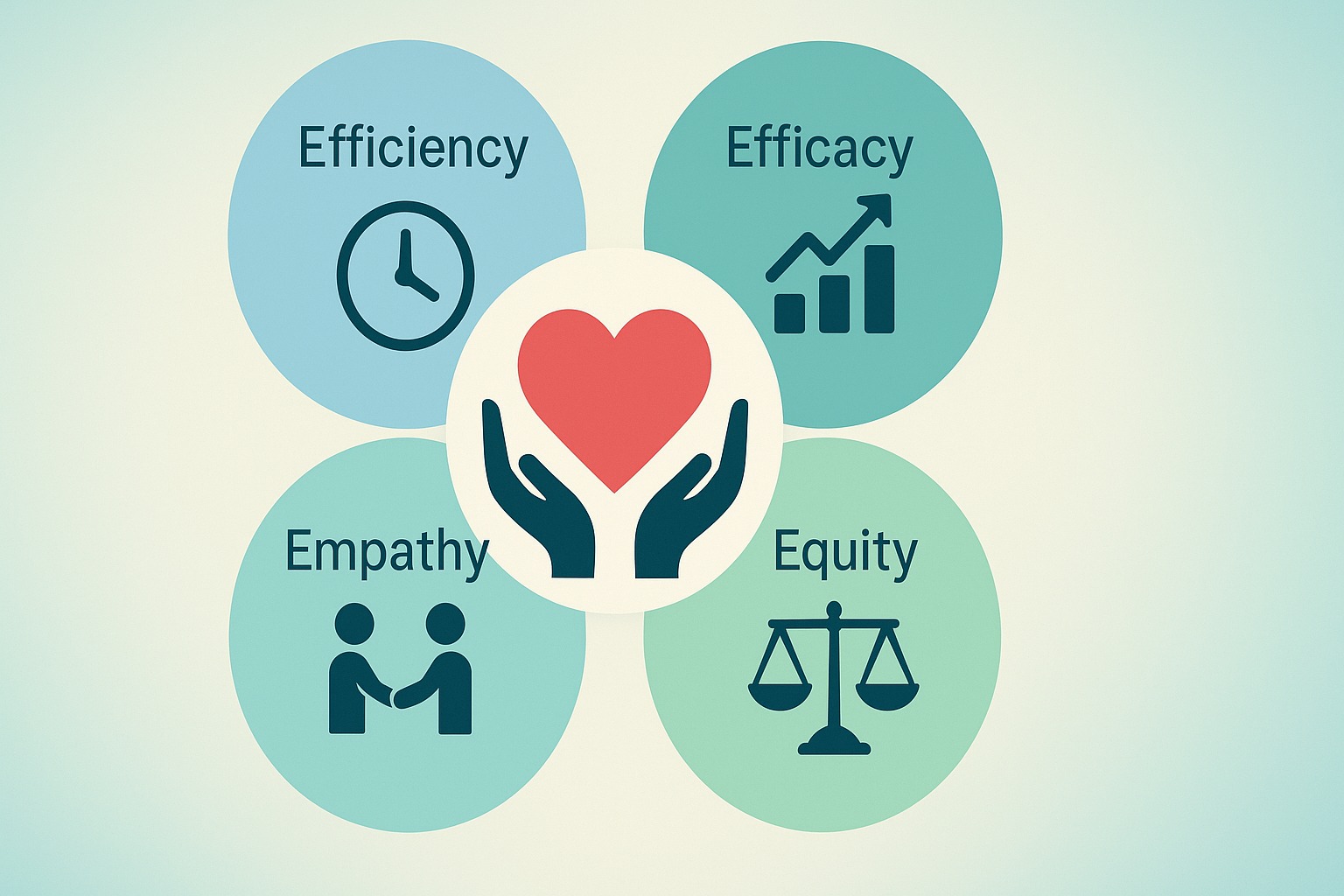
The article also applies Lean Six Sigma, process management, and Chapman-Gray’s 4E model of trauma-informed care: Efficiency, Efficacy, Empathy, and Equity. Together, these tools help ensure domestic violence prevention campaigns are accessible, evidence-informed, survivor-centered, measurable, and inclusive of communities that are often missed.
Violence prevention and intervention require more than clinical intervention alone. Survivors of domestic violence, sexual violence, trafficking, child abuse, coercive control, and community violence frequently interact with fragmented systems that struggle to coordinate medical care, behavioral healthcare, victim advocacy, crisis intervention, and long-term support services (McNutt et al., 2002). As healthcare systems increasingly adopt integrated care models, the Doctor of Behavioral Health (DBH) has emerged as a uniquely positioned professional capable of navigating the intersection of behavioral healthcare, systems management, population health, and interdisciplinary collaboration (Arizona State University, n.d.-a; Ramanuj et al., 2019). Unlike traditional behavioral health professions that may focus primarily on psychotherapy or direct clinical treatment, the DBH was developed to operate within integrated healthcare environments where behavioral health, medicine, administration, quality improvement, and organizational leadership overlap (Arizona State University, n.d.-b).
The profession was designed specifically to bridge the divide between behavioral healthcare and broader healthcare systems while improving patient outcomes, organizational functioning, and integrated service delivery (Burg & Oyama, 2015). In violence prevention and intervention settings, this interdisciplinary preparation allows DBH practitioners to address not only trauma exposure and behavioral outcomes, but also the structural and operational barriers that impact service delivery, continuity of care, and patient outcomes. Particularly important is the DBH practitioner with a management concentration or operational leadership foundation. These professionals are trained not simply to work within systems, but to improve them.
Understanding the DBH in Integrated Behavioral Health
Integrated behavioral healthcare developed in response to longstanding fragmentation between physical health and behavioral health systems. Research consistently demonstrates that medical and behavioral conditions are deeply interconnected, particularly among populations exposed to trauma and violence (Hunter et al., 2017; Ramanuj et al., 2019). Survivors of violence frequently experience depression, anxiety, post-traumatic stress symptoms, substance use disorders, chronic pain, sleep disruption, and adverse physical health outcomes simultaneously.
DBH professionals are trained to function within these integrated environments. The coursework within management-focused DBH programs often includes healthcare administration, behavioral intervention, population health management, integrated care delivery, quality improvement, organizational leadership, healthcare informatics, and healthcare economics (Arizona State University, n.d.-a). This broad preparation positions DBH practitioners to serve as healthcare educators, systems consultants, behavioral health managers, integrated care coordinators, program developers, and organizational leaders.
Integrated behavioral healthcare models also emphasize treating the whole person rather than isolated symptoms or diagnoses. Klott (2013) argued that integrated treatment approaches improve outcomes by focusing on individuals holistically rather than separating behavioral conditions from medical or environmental realities. This perspective is particularly relevant in violence prevention, where survivors often experience layered medical, psychological, social, and environmental stressors simultaneously (Goyal, 2022a). Integrated behavioral healthcare models also emphasize consultation-based collaboration between behavioral health providers and medical teams, allowing for more coordinated patient-centered care within primary care environments (Robinson & Reiter, 2016).
The importance of multidisciplinary collaboration in violence intervention has been emphasized extensively within healthcare literature. Multidisciplinary team responses improve care coordination, patient safety, continuity of services, and healthcare quality outcomes (Goyal, 2022a; Keeling & Mason, 2008). Violence survivors often require simultaneous support from medical providers, behavioral health professionals, social workers, advocates, legal systems, and community organizations. Without coordination, survivors are frequently forced to navigate disconnected systems independently. Research on integrated behavioral healthcare demonstrates that providers working within collaborative care environments report greater confidence in managing behavioral health conditions and coordinating patient care (Staab et al., 2022). Similarly, Chea et al. (2024) found that provider readiness and behavioral health competency improves when integrated systems support interdisciplinary collaboration and behavioral health accessibility within primary care settings.
Trauma-Informed Systems and Violence Prevention
Trauma-informed care has become increasingly important in healthcare systems responding to violence exposure. Survivors frequently encounter institutional barriers that unintentionally recreate powerlessness, fear, distrust, or retraumatization during healthcare interactions (Duckworth & Follette, 2012). These experiences may include fragmented referrals, repetitive trauma disclosures, inconsistent communication, lack of privacy, excessive wait times, or provider misunderstanding regarding the dynamics of violence and trauma (Duckworth & Follette, 2012). A DBH practitioner operating within a trauma-informed framework recognizes that trauma affects not only individual patients, but also organizational systems and workforce functioning.
Trauma-informed systems prioritize safety, collaboration, trustworthiness, empowerment, and cultural responsiveness across all aspects of service delivery (Goyal, 2022b). This systems perspective is particularly important in domestic violence and intimate partner violence environments. Research has repeatedly described intimate partner violence as a “wicked problem” requiring coordinated and systemic healthcare responses rather than isolated interventions (Young-Wolff et al., 2016). Survivors frequently interact with healthcare systems long before formal victim advocacy or criminal justice involvement occurs. Primary care clinics, hospitals, emergency departments, and integrated healthcare systems therefore play an important role in violence identification, prevention, and intervention (Young-Wolff et al., 2016). Healthcare providers working in fast-paced medical settings often struggle to implement consistent partner violence interventions due to operational demands, limited time, insufficient training, and fragmented referral systems (Mcnutt et al., 2002). This creates a significant opportunity for DBH practitioners trained in systems improvement and organizational redesign.
Hospital systems have increasingly recognized the importance of coordinated domestic violence response protocols and workforce education. Coordinated domestic violence responses among teaching hospitals improved organizational responsiveness and interdisciplinary coordination (Weiner & Moran, 1997). Similarly, Watson et al. (2015) emphasized the importance of structured hospital training models to improve provider preparedness in responding to family violence. DBH practitioners may assist healthcare organizations in implementing trauma-informed screening procedures, interdisciplinary referral systems, behavioral health integration protocols, and organizational education initiatives designed to improve survivor experiences and reduce retraumatization. Their role often extends beyond individual behavioral intervention to include systems redesign and organizational improvement.
The DBH with a Management Foundation
The DBH practitioner with a management concentration occupies a distinctive role within violence prevention systems. While clinical DBHs may focus more heavily on direct patient intervention, management-focused DBHs are trained to improve organizational processes, healthcare delivery systems, workflow efficiency, and interdisciplinary coordination (Arizona State University, n.d.-a). This distinction becomes especially valuable in violence prevention environments where organizational failures frequently contribute to poor outcomes (Young-Wolff et al., 2016). Survivors often encounter delayed referrals, communication breakdowns, inconsistent trauma screening, fragmented care coordination, staff burnout, and gaps in follow-up services (Duckworth & Follette, 2012). These failures are rarely caused by lack of compassion alone. More often, they reflect operational inefficiencies and systems fragmentation.
Management-focused DBHs are trained to evaluate healthcare systems through both behavioral and operational lenses (Arizona State University, n.d.-a). They may assess patient flow, referral structures, quality indicators, workflow bottlenecks, interdisciplinary communication systems, and organizational culture simultaneously. Within violence prevention organizations, a DBH manager may oversee integrated behavioral health programs, develop trauma-informed operational policies, coordinate interdisciplinary partnerships, evaluate outcome measures, or assist organizations in improving survivor access to services (Gray, 2021).
Gray (2021) argued that DBHs are particularly effective within victim advocacy environments because their interdisciplinary preparation allows them to bridge healthcare systems, behavioral health systems, and community support structures simultaneously. This systems orientation allows DBHs to function not only as providers, but also as organizational strategists and healthcare leaders. Importantly, DBH management training also emphasizes healthcare economics and organizational sustainability.
Violence prevention organizations often operate under significant financial constraints while managing increasing service demands (World Health Organization, n.d.). The economic consequences of interpersonal violence place significant burdens on healthcare systems, employers, and public health infrastructures (World Health Organization, n.d.; Young-Wolff et al., 2016). DBH practitioners may therefore assist organizations in developing efficient, sustainable, and evidence-informed approaches to service delivery.
Population-Based Health Management and Violence Prevention
One of the defining features of DBH education is its emphasis on population-based health management. Population health approaches examine patterns, disparities, risk factors, and systemic influences affecting entire communities rather than isolated individual cases. In violence prevention, this perspective sets the standard. It is an essential component in client care.
Violence exposure is closely associated with social determinants of health, including poverty, housing instability, educational disparities, discrimination, adverse childhood experiences, healthcare inequities, and community trauma (Goyal, 2022c). DBH practitioners trained in population health are equipped to analyze these broader patterns while developing interventions targeting high-risk or underserved populations (Burg & Oyama, 2015; Gray, 2021).
Population-based approaches also align closely with integrated behavioral healthcare frameworks emphasizing prevention, interdisciplinary collaboration, and long-term systems planning (Hunter et al., 2017; Ramanuj et al., 2019). For example, a DBH working in violence prevention may identify patterns showing that certain survivor populations underutilize behavioral healthcare services despite high rates of trauma exposure. Through systems analysis, they may uncover barriers involving transportation, language access, institutional distrust, stigma, or inadequate interdisciplinary coordination (Burg & Oyama, 2015; Duckworth & Follette, 2012; Gray, 2021). This population-level perspective allows organizations to move beyond reactive intervention models toward preventive and community-responsive systems of care. DBH practitioners may also contribute to organizational data analysis, community needs assessments, outreach strategies, and service development initiatives designed to improve healthcare equity and accessibility among violence-exposed populations.
Lean Six Sigma and Quality Improvement in Violence Intervention
An increasingly valuable competency within DBH management practice involves Lean Six Sigma and healthcare quality improvement methodologies. These approaches focus on reducing inefficiencies, improving workflow processes, minimizing operational failures, and enhancing organizational outcomes through data-driven systems improvement (Almorsy & Khalifa, 2016; Antony et al., 2018). In violence prevention environments, operational inefficiencies can directly impact survivor safety and continuity of care (Duckworth & Follette, 2012; Goyal, 2022c; Gray, 2020; Gray, 2021; Young-Wolff et al., 2016). Survivors frequently experience delayed referrals, repeated assessments, inconsistent documentation, communication failures, and fragmented service pathways. Quality improvement models help organizations identify these breakdowns systematically while developing measurable solutions (Gray, 2020).
DBH practitioners trained in Lean Six Sigma methodologies are uniquely positioned to identify operational failures and implement structured improvements. For example, a DBH manager might evaluate referral delays between emergency departments and behavioral health providers for domestic violence survivors. Through workflow redesign and process improvement strategies, organizations may reduce wait times, improve interdisciplinary communication, standardize screening procedures, and improve continuity of care (Gray, 2020; Hutton et al., 2018). Healthcare literature increasingly supports the use of Lean principles in violence prevention and workplace safety initiatives. Hutton et al. (2018) demonstrated that workplace violence prevention standardization using Lean principles improved consistency and organizational safety outcomes across a healthcare network. Similarly, Ogrinc et al. (2018) emphasized that healthcare improvement methodologies strengthen patient-centered care delivery while improving systems accountability and operational effectiveness. Quality improvement also aligns closely with trauma-informed care principles (Gray, 2020).
Survivors benefit from streamlined systems that minimize procedural burdens, reduce confusion, improve communication, and enhance access to coordinated services. By reducing fragmentation and inefficiency, DBH practitioners help create safer and more responsive healthcare environments (Gray, 2020). DBH practitioners are change agents, that are poised to streamline and improve processes, for the benefit of the violence prevention and intervention system, as a whole.
The DBH as Healthcare Educator and Systems Change Agent
Another critical role of the DBH within violence prevention involves healthcare education and workforce development. Many healthcare providers receive limited formal education regarding trauma, coercive control, victimization dynamics, or integrated behavioral healthcare responses (Duckworth & Follette, 2012; Goyal, 2022b; Goyal, 2022c; Gray, 2020; Gray, 2021; Landoll et al., 2019; Young-Wolff et al., 2016). DBH practitioners frequently function as educators within hospitals, healthcare systems, advocacy organizations, universities, nonprofit agencies, and interdisciplinary teams. Their broad interdisciplinary training allows them to translate behavioral health concepts into practical operational strategies for healthcare environments. Educational initiatives may include trauma-informed care training, violence screening education, interdisciplinary communication strategies, integrated care implementation, provider wellness initiatives, and organizational policy development.
Research on interprofessional education consistently demonstrates that collaborative educational models improve integrated care outcomes and interdisciplinary functioning (Landoll et al., 2019). Healthcare education also plays an essential role in improving organizational culture. Trauma-informed systems cannot be created through policy statements alone. They require ongoing workforce education, leadership engagement, operational reinforcement, and systems accountability. DBH practitioners with management foundations are particularly valuable in this role because they understand both behavioral health principles and organizational implementation processes (Gray, 2020; Gray, 2021). They are capable of educating providers while simultaneously addressing the structural barriers preventing consistent trauma-informed practice. This dual role as healthcare educator and systems change agent positions the DBH as an important and vital contributor to violence prevention infrastructure and integrated healthcare transformation.
Conclusion
The Doctor of Behavioral Health represents an emerging and highly adaptable professional role within violence prevention and intervention systems (Gray, 2020). Particularly for DBH practitioners with management concentrations or operational leadership training, the profession offers a unique combination of behavioral health expertise, systems thinking, healthcare administration, population health management, quality improvement capability, and trauma-informed leadership. Violence prevention requires more than isolated crisis intervention (Duckworth & Follette, 2012; Hutton et al., 2018). It requires coordinated systems capable of improving access, reducing fragmentation, strengthening interdisciplinary collaboration, and responding effectively to the long-term behavioral and health consequences of trauma exposure.
DBH practitioners are uniquely positioned to contribute to this work because they operate at the intersection of healthcare delivery, behavioral health, education, administration, and systems reform (Gray, 2020; Gray, 2021; McNutt et al., 2002; Ramanuj et al., 2019; Young-Wolff et al., 2016). Whether functioning as healthcare educators, integrated care managers, quality improvement specialists, or organizational leaders, DBHs help strengthen the infrastructure surrounding violence prevention and survivor care (Gray, 2020). As integrated healthcare models continue evolving, the role of the DBH in violence prevention and intervention will likely become increasingly valuable in helping organizations move toward coordinated, trauma-informed, population-centered systems of care (Gray, 2020; Young-Wolff et al., 2016).
Arizona State University (n.d.-b) Doctor of behavioral health degree. Arizona State University. Retrieved April 6th, 2020, from https://asuonline.asu.edu/online-degree-programs/graduate/doctor-behavioral-health-management/Cummings Graduate Institute. (n.d.) Doctor of behavioral health degree. Cummings Institute. Retrieved March 31, 2020, from https://cgi.edu/doctorate-of-behavioral-health/
Burg, M. A., & Oyama, O. (2015). The Behavioral Health Specialist in Primary Care: Skills for Integrated Practice. Springer.
Chea, A., et al. (2024). Family medicine physician readiness to treat behavioral and mental health conditions. Journal of Primary Care & Community Health. https://doi.org/10.1177/21501319241275053
Duckworth, M. P., & Follette, V. M. (Eds.). (2012). Retraumatization: Assessment, treatment, and prevention. Routledge, Taylor & Francis Group.
Gray, A. D. (2020). Reducing patient wait ties: A Lean Six Sigma & healthcare quality improvement study for male victims of sexual assault [Doctoral dissertation, Arizona State University]. ASU Electronic Theses and Dissertations.
Hunter, C. L., Goodie, J. L., Oordt, M. S., & Dobmeyer, A. C. (2017). Integrated behavioralhealth in primary care: Step-by-step guidance for assessment and intervention (2nd edition). American Psychological Association.
Hutton, S. A., Vance, K., Burgard, J., Grace, S., & Van Male, L. (2018). Workplace violence prevention standardization using lean principles across a healthcare network. International Journal of Health Care Quality Assurance, 31(6), 464–473.
Keeling, J., & Mason, T. (2008). Domestic violence: A multi-professional approach for health professionals. McGraw-Hill International (UK) Ltd.
Klott, J. (2013). Integrated treatment for co-occurring disorders: Treating people, not behaviors. John Wiley & Sons, Inc.
Landoll, R. R., Maggio, L. A., Cervero, R. M., & Quinlan, J. D. (2019). Training the doctors: A scoping review of interprofessional education in primary care behavioral health (Pcbh). Journal of Clinical Psychology in Medical Settings, 26(3), 243–258. https://doi.org/10.1007/s10880-018-9582-7
Mcnutt, L., Carlson, B., Rose, I., & Robinson, D. (2002). Partner violence intervention in the busy primary care environment. American Journal of Preventive Medicine, 22(2), 84-91.
Ogrinc, G. S., Headrick, L.A., Barton, A.J., Dolansky, M.A., Madigosky, W.S., Miltner, R.S. (2018). Fundamentals of health care improvement: A guide to improving your patient’s care (Third edition). Joint Commission Resources ; Institute for Healthcare Improvement.
Ramanuj, P., Ferenchik, E., Docherty, M., Spaeth-Rublee, B., & Pincus, H. A. (2019). Evolving models of integrated behavioral health and primary care. Current psychiatry reports, 21(1), 4.
Robinson, P. J., & Reiter, J. T. (2016). Behavioral Consultation and Primary Care: A Guide to Integrating Services. Springer.
Staab, E. M., et al. (2022). Elements of integrated behavioral health associated with primary care provider confidence in managing depression. Journal of General Internal Medicine, 37, 2931–2940. https://doi.org/10.1007/s11606-021-07294-3
Watson, A., Kenwood, A., Van Paauwe, P. (2015). Domestic violence training model for hospitals: a toolkit to help hospitals train staff to appropriately identify and respond to family violence will be available in coming months. Australian Nursing & Midwifery Journal, 23(2), 13. Retrieved from https://link-gale-com.ezproxy1.lib.asu.edu/apps/doc/A426902388/CWI?u=asuniv&sid=CWI&xid=ece10bfb
Weiner, D., Moran, P. (1997). Responding to domestic violence: A coordinated response by a consortium of teaching hospitals. Domestic Violence Task Force, Conference of Boston Teaching Hospitals. Academic Medicine, 72(1), S59-64.
WHO | The economic dimensions of interpersonal violence. (n.d.). WHO. Retrieved March 31, 2020, from https://www.who.int/violence_injury_prevention/publications/violence/economic_dimensions/en
Young-Wolff, K., Kotz, K., & Mccaw, B. (2016). Transforming the Health Care Response to Intimate Partner Violence: Addressing “Wicked Problems”. JAMA, 315(23), 2517-2518.
Gray’s Trauma‑Informed Care Services Corp (GTICSC) has used Efficiency, Efficacy, Empathy and Equity, the 4 Es, as a guiding formula since its inception in 2017. This demonstrates how the 4 Es can be used to build trauma‑informed systems of care for victims of violence, including survivors of domestic violence and “dark triad” abuse.
Trauma & Violence‑Informed Care
Trauma‑informed care (TIC) views service provision through a lens of trauma, requiring an understanding of trauma’s impact, awareness of triggers and vulnerabilities, and a commitment to avoid re‑traumatization (Ferencik & Ramierz-Hammond, 2017). It places the survivor’s experience at the center and emphasizes trust, safety, collaboration and empowerment. Trauma and violence‑informed approaches expand this lens to recognize how systemic violence and discrimination intersect with trauma, calling for organizational changes that increase safety, control and transformative behaviors, while fostering choice and collaboration (Canada’s Public Health Agency [CPHA], 2025). The 4 Es operationalize these principles within GTICSC’s integrated healthcare and educational programs.
Efficiency: Streamlining Processes to Minimize Harm
Trauma‑informed services must be delivered efficiently so survivors do not face unnecessary delays or bureaucratic burdens. Lean Six Sigma (LSS) and similar improvement methods are useful in this context. A quality‑improvement study in ophthalmology clinics showed that implementing Lean Six Sigma reduced median patient in‑clinic time from 131 minutes to 107 minutes and increased the number of patients seen per clinic session by 9 % (Kam et al., 2021). The study explained that Lean techniques reduce “waste” and Six Sigma reduces variation by defining, measuring and improving processes (Kam et al., 2021). A systematic literature review found that understanding challenges, readiness and critical success factors is essential for deploying LSS in healthcare and that such deployment can improve operational efficiencies and enhance patient and staff outcomes (McDermott et al., 2022). GTICSC applies these approaches to reduce wait times for services, streamline intake, and ensure survivors receive care without repeated trauma narratives.
Efficacy: Evidence‑Based & Outcome‑Oriented Care
Efficacy refers to the effectiveness of interventions in promoting healing and organizational wellness. The Substance Abuse and Mental Health Services Administration (SAMHSA) notes that trauma‑informed approaches improve patient engagement, treatment adherence, health outcomes and staff wellness (SAMHSA, 2025). Trauma‑informed nursing research shows that when nurses adopt a trauma‑informed lens, job satisfaction increases, risk of burnout decreases and patient experiences improve (Fleishman et al., 2019). Implementing organizational and clinical changes, such as staff training, safe environments and patient empowerment, helps transform systems (SAMHSA, 2025). GTICSC’s programs integrate Lean Six Sigma with trauma‑informed competencies, monitoring outcomes to ensure interventions remain effective and adopting continuous improvement cycles.
Empathy: Understanding Survivors’ Experiences
Empathy is the heart of trauma‑informed practice. In domestic violence settings, trauma‑informed care requires advocates to respond with supportive intent and to avoid re‑traumatization (Ferencik & Ramierz-Hammond, 2017). Services should respect individual choices, form partnerships that minimize power imbalances and focus on trust and safety. Empathic care is particularly important for survivors of “dark triad” abuse, a term describing relationships with individuals high in Machiavellianism, narcissism and psychopathy. These traits involve manipulation and a lack of empathy (Ferencik & Ramierz-Hammond, 2017). Machiavellianism is associated with controlling behavior, emotional abuse, and psychopathy (Furtado et al., 2024). It is linked to a higher propensity for intimate partner violence. Understanding these dynamics helps providers validate survivors’ experiences and design interventions that prioritize safety, and psychological healing. Education and reflective practice, such as GTICSC’s Transformation Through Education: The Impact of Trauma‑Informed Education on Victim Services Providers, foster empathy by helping providers recognize their own responses and avoid secondary trauma (Gray, 2025).
Equity means ensuring all survivors, regardless of race, gender, sexuality or socioeconomic status, have access to trauma‑informed services. Trauma and violence‑informed approaches emphasize understanding how violence and trauma intersect with systemic conditions. Some of these conditions include poverty and discrimination (CPHA, 2025). They call for creating emotionally and physically safe environments, fostering choice, collaboration and connection, and providing strengths‑based support (CPHA, 2025). Domestic violence often leaves victims feeling powerless; recovery requires helping survivors regain control over the areas of their lives impacted by abuse (Ferencik & Ramierz-Hammond, 2017). GTICSC incorporates cultural humility and equity into all programs, courses, projects, and educational materials. This ensures that services for marginalized groups (e.g. immigrants, LGBTQ+ individuals) address unique barriers, as well as, the fact that staff reflect the communities served.
Applied Practice: Integrating the 4 Es
Applying the 4 Es in practice involves aligning efficiency, efficacy, empathy and equity. Organizational leaders should: Assess and streamline workflows using Lean Six Sigma or similar methodologies to minimize re‑traumatization and improve service capacity (Kam et al., 2021). Organizations need to learn how to implement evidence‑based interventions and train staff in trauma‑informed principles to enhance outcomes and reduce provider burnout (Fleishman et al., 2019; SAMHSA, 2025). In practice, providers working with victims of violence should foster empathetic relationships with victims by understanding trauma responses, recognizing dynamics of dark triad abuse, and empowering survivors through collaborative decision‑making (Ferencik & Ramirez-Hammond, 2017; Furtado et al., 2024). Providers can also embed equity by addressing systemic violence and ensuring culturally competent care recognizing that trauma intersects with race, gender and socioeconomic status. Dr. Gray’s work highlights the role of integrated healthcare solutions and education in transforming services. By combining process improvement, trauma‑informed training, and cultural humility, organizations can deliver high‑quality care to victims of domestic violence and dark triad abuse, improve provider satisfaction, and build transformative systems that prioritize Efficiency, Efficacy, Empathy and Equity.
Keywords: Trauma‑informed care, Lean Six Sigma, Efficiency, Efficacy, Empathy, Equity, Domestic violence, Dark Triad, Integrated healthcare, Provider education
Furtado, B. F., Anacleto, G. M. C., Bonfá-Araujo, B., Schermer, J. A., & Jonason, P. K. (2024). Conflict in Love: An Examination of the Role of Dark Triad Traits in Romantic Relationships among Women. Social Sciences, 13(9), 474. https://doi.org/10.3390/socsci13090474
Gray, A. D. (2025). Transformation Through Education: The Impact of Trauma-Informed Care Training on Victim Services Providers [Doctoral Dissertation]. ProQuest
Kam, A.W., Collins, S., Park, T., Mihail, M., Stanaway, F.F., Lewis, N.L., Polya, D., Fraser-Bell, S., Roberts, T.V., Smith, J.E.H. (2021). Using Lean Six Sigma techniques to improve efficiency in outpatient ophthalmology clinics. BMC Health Serv Res21(38). https://doi.org/10.1186/s12913-020-06034-3
McDermott, O., Antony, J., Bhat, S., Jayaraman, R., Rosa, A., Marolla, G., & Parida, R. (2022). Lean Six Sigma in Healthcare: A Systematic Literature Review on Challenges, Organisational Readiness and Critical Success Factors. Processes, 10(10). https://doi.org/10.3390/pr10101945
Picture this: you’re at a dinner party, and every guest is armed with an arsenal of buzzwords they’ve picked up on social media. Someone casually drops “psy-op” to describe a viral TikTok video, another confuses “subsidiary” for “subservience,” and by dessert, someone has called the host “far-left” because she serves vegan cheese. Welcome to the modern lexicon, where meanings are alternative facts and ideological spice makes even the most mundane statement taste like political intrigue.
We’ve become linguistic magpies, swiping shiny terms like “Benghazi,” “deep state,” “diversity,” “equity,” and “inclusion,” and plunking them into conversations without a clue about how they fit. Socialism? Communism? Antifa? Those words are just seasoning to be sprinkled liberally (or conservatively) over any dish we do not like. Privilege? That’s when your phone battery lasts all day. Psy-ops? Sounds scary, let’s label every marketing campaign as one! After all, why let facts get in the way of a good rhetorical flourish? The result? Intellectual heartburn for anyone who knows what these words mean.
So, grab a glass of something strong and settle in as we dissect the linguistic stew that’s being ladled into public discourse. We’ll look beyond the buzzwords and unmask how they’ve been stretched, twisted, and misused to the point of absurdity. Think of this as a detox for your vocabulary, because if society’s going to get a grip on reality, we’ll need to start by giving our language a long-overdue reality check.
People throw around loaded political buzzwords the way teenagers throw around slang: fast, confidently, and often without the faintest idea what they actually mean. “Benghazi,” “psy-op,” “privilege,” “subsidiary,” “far-left extremist,” “socialism,” “communism,” “antifa,” “deep state,” “diversity, equity, and inclusion,” in everyday discourse, these terms function less like precise concepts and more like emotional sound effects. The phenomenon you’re describing isn’t just annoying for intellectuals; it’s well-documented in the cognitive and political psychology literature.
A good starting point is the illusion of explanatory depth (IOED). Rozenblit and Keil (2002), showed that people systematically overestimate how well they understand complex phenomena; they rate their understanding highly, but when forced to explain in detail, their confidence collapses. That bias applies especially to explanatory knowledge, the kind of causal understanding that terms like “socialism” or “psy-op” require. People feel fluent because the words are familiar, not because they can lay out, for example, the institutional structure of a socialist economy or the operational criteria for a psychological operation (Alter, Oppenheimer, & Zemla, 2010). Political psychologists have extended IOED into the political domain. For example, there are some people who sign onto or agree with strong, polarized opinions while holding only sketchy, scripted mental models of the policies or ideologies they name. Layered on top of that is overconfidence and motivated reasoning.
Work on political misperceptions shows that citizens’ factual beliefs are often shaped less by ignorance than by identity-protective cognition. What is identity-protective cognition? These are the facts that humanity bends. These are the agreed upon “facts,” that we utilize to fit into the tribe we belong to. Flynn, Nyhan, and Reifler (2017), review evidence that misperceptions are widespread, stubborn, and closely tied to partisan and ideological identity. Schaffner and Roche’s (2016), experimental work on economic statistics finds that when new information threatens partisan narratives, people don’t simply fail to update; they selectively reinterpret or reject it, which is an example of motivated reasoning.
That same pattern appears in conspiracy thinking. Vranic and colleagues (2022) found that overconfidence in one’s own reasoning, paired with low trust in science, strongly predicts endorsement of COVID-19 conspiracy theories like the faction of individuals who claimed they did their own “research” by regurgitating social media posts or using confirmation bias and selection bias when reviewing articles and information. An example of this is pulling information from meme-driven content posted on social media. Overconfident individuals were worse at an objective reasoning task yet more certain they were right. This is similar to the cognitive profile of people who casually label every uncomfortable news event a “psy-op” or invoke “the deep state” without any operational definition of intelligence services, secrecy, or state capacity (Vranic et al., 2022).
When we look specifically at ideological labels, like socialism and communism, survey data suggest a sharp gap between self-perceived knowledge and definitional accuracy. A large 2020 survey by the Victims of Communism Memorial Foundation [VCMF] found that 85% of Americans say they know at least “a little” about socialism and 38% say they know “a lot,” yet 68% do not define socialism as government or collective ownership and control of the means of production, the traditional core definition (VCMF & Yougov, 2020). Instead, many respondents treat “socialism” as a vague synonym for “taking everything I have away”, “more welfare programs”, or “what Democrats like.” This is a textbook case of the illusion of explanatory depth combined with motivated reasoning. The motivation comes from the fact that people feel they understand the word, but their “definition” drifts toward whatever matches their political affect.
A similar story plays out with terms tied to harm and injustice. When looking at the terms, “privilege,” “trauma,” “gaslighting,” “abuse,” and “extremism,” this can be seen clearly (Haslam, 2016). Haslam’s work on concept creep (2021), shows that many harm-related concepts in psychology (e.g., trauma, bullying, mental disorder) have expanded over recent decades to cover ever-milder phenomena (Haslam, 2016). He argues that this semantic stretching has moral and political roots. One can look at the fact that societies become more sensitive to harm, so categories widen to capture previously neglected experiences. In later work, Haslam et al., 2020, describe “harm inflation,” where the boundary between serious harm and ordinary discomfort becomes fuzzy (Haslam et al., 2020).
Concept creep helps explain why “privilege” might denote anything from structural, intergenerational advantage to simply owning a smartphone, or why “far-left extremist” can get lobbed at both Marxist revolutionaries and moderately progressive social democrats (Haslam et al., 2020). As these terms expand and detach from clear criteria, they become discursive weapons rather than analytic tools. For scholars and practitioners who rely on those concepts to track meaningful differences in power, risk, and harm, the result really is a kind of intellectual nausea. Categories that once carved reality at the joints now slice everything into mush. The media and information environment amplifies all of this.
Lazer et al. (2018) characterize the current landscape as one of “fake news” and information disorder, where low-quality or deceptive content circulates rapidly and is processed through the same motivated reasoning circuits (Himmelroos & Rapeli, 2020). Anson’s research on epistemic confidence (2022), finds that people who are most certain they are right about politics are also the least responsive to corrections of misinformation. In other words, the more confidently someone throws around “deep state” or “psy-op,” the less likely they are to engage with actual intelligence studies scholarship, legal definitions, or declassified case histories that might refine their understanding.
Can we do anything about this, beyond sighing into our coffee? There is some cautious evidence that structured deliberation and explicit reflection on ignorance can help. Experiments in deliberative democracy suggest that mixed-viewpoint discussion under good conditions can modestly reduce certain factual misperceptions, even without simply handing people the “right answer (Lazer et al., 2018). Rozenblit and Keil’s (2002) IOED work also hints at an intervention. When one examines when people are asked to explain in detail how a policy, ideology, or process works, they often recognize the gap between their confidence and their knowledge. This is a humbling, but potentially productive, shock (Rozenblit & Keil, 2002).
From an intellectual standpoint, the problem is not that non-experts use technical or ideological language; inclusive discourse requires shared concepts. The problem is when those terms are untethered from their definitions, used primarily as an identity marker, and individuals are resistant to being corrected about their misinformation. The triad, illusion of understanding, motivated reasoning, and semantic drift, is what makes misuse of these terms feel so corrosive to serious thinkers. It undermines our ability to distinguish between different systems of government, different levels of harm, or different policy tools. Everything collapses into “vibes” or simply how everyone feels or intuits (Rozenblit & Keil, 2002).
A healthier language politic would normalize three moves: (1) define your terms before weaponizing them, (2) be willing to say “I’m not sure I fully understand this concept,” and (3) treat words like “socialism,” “privilege,” or “psy-op” as hypotheses to be unpacked, not grenades to be thrown. For the working intellectual, that might not cure the headache, but it at least points toward a culture where words are used to think with, not to weaponize ad nauseum.